
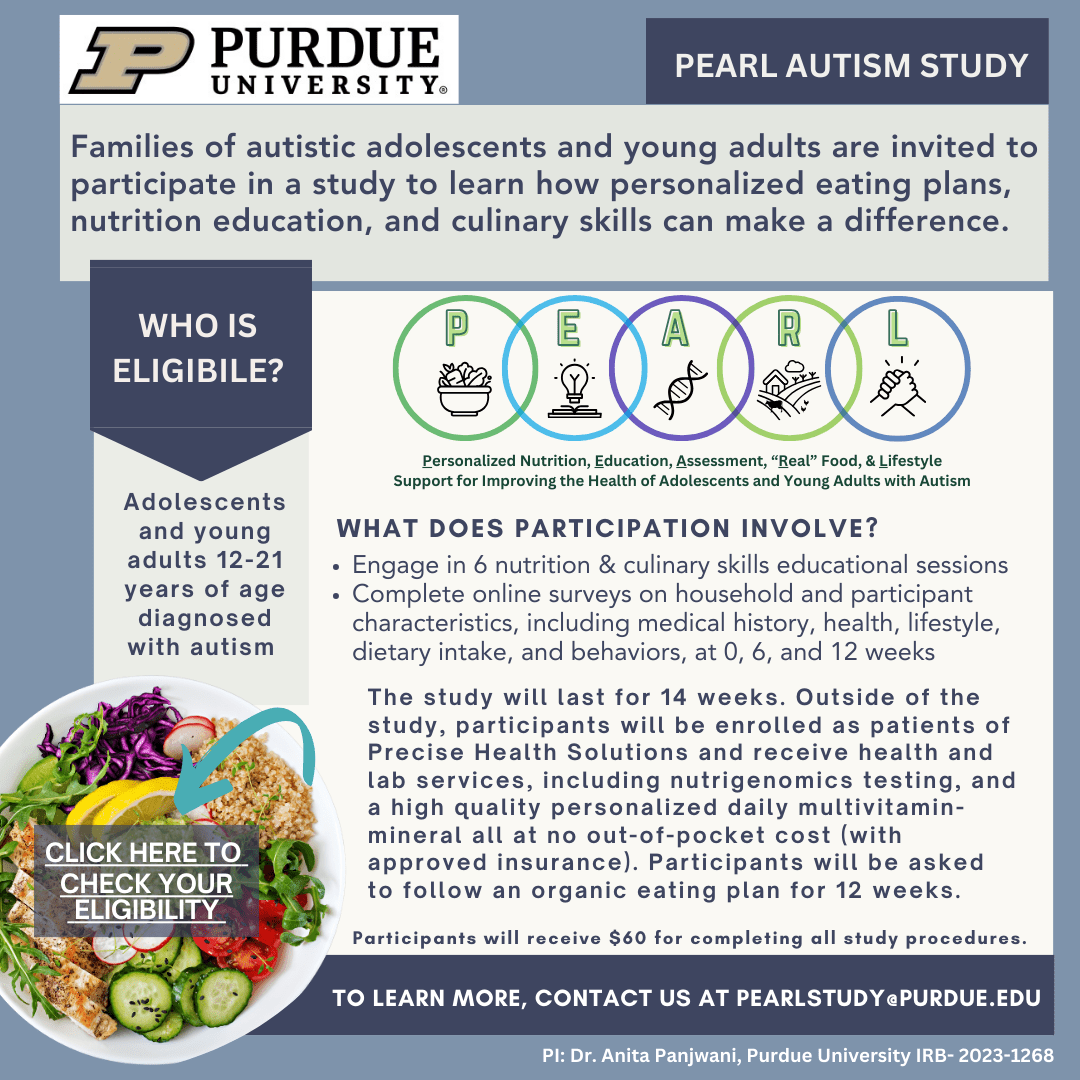


PURDUE UNIVERSITY: PEARL AUTISM STUDY

Purdue University is known for its groundbreaking research in various fields, and one of its important contributions to the study of autism comes through the PEARL Autism Study. PEARL stands for Purdue Autism Research Lab, a hub dedicated to understanding autism spectrum disorders (ASD) and improving the quality of life for individuals with autism and their families. The PEARL Autism Study is an initiative that seeks to unravel the complexities of autism through advanced research and innovative interventions.
Autism spectrum disorder is a developmental condition that affects how individuals communicate, behave, and process sensory information. Given the wide spectrum of symptoms, challenges, and abilities that people with autism exhibit, it has been challenging for researchers and clinicians to develop universal strategies for diagnosis, intervention, and support. The PEARL Autism Study is addressing these challenges by focusing on improving the understanding of autism at multiple levels—behavioral, cognitive, and neurological.
The Goals of the PEARL Autism Study
The primary goal of the PEARL Autism Study is to bridge gaps in autism research by investigating how individuals with autism experience the world and how their unique cognitive and neurological processes can inform better therapeutic approaches. By studying various aspects of autism, the researchers aim to create new, evidence-based strategies that can lead to more personalized and effective interventions.
Some specific goals of the study include:
Improving Diagnostic Tools: One of the major challenges in autism is accurate and early diagnosis. The PEARL Autism Study is working on refining diagnostic tools that can help detect autism in its early stages, allowing for early intervention, which can greatly improve outcomes for children with autism.
Understanding Sensory and Cognitive Processing: People with autism often experience sensory sensitivities and process information differently. The study seeks to understand these sensory experiences at a deeper level, helping researchers and clinicians design environments, therapies, and educational programs that accommodate these unique needs.
Developing Better Interventions: By understanding how people with autism learn and interact with the world, the researchers at Purdue University aim to create interventions that are tailored to the needs of individuals. This includes improving communication therapies, social skills training, and even support for families who are learning to navigate life with an autistic family member.
Investigating Genetic and Neurological Factors: The PEARL Autism Study also looks into the genetic and neurological components of autism. While autism is a highly complex condition with no single cause, understanding the role of genetics and brain development can help researchers develop targeted therapies that address the root causes of some symptoms.
The Research Methodology
The PEARL Autism Study uses a multidisciplinary approach, drawing from fields such as psychology, neuroscience, speech and language pathology, education, and genetics. Participants in the study typically undergo a series of assessments that evaluate their cognitive, sensory, and social abilities. Some may be asked to participate in brain imaging studies, which allow researchers to observe how different parts of the brain are activated during tasks or interactions.
One of the distinctive aspects of the PEARL Autism Study is its emphasis on real-world applications. Rather than solely relying on lab-based tasks, the researchers work with individuals in real-life settings, such as classrooms or home environments, to observe how autism presents itself in day-to-day situations. This approach ensures that the study’s findings are not only theoretically sound but also practical for families, educators, and clinicians working with people with autism.
Impact on the Autism Community
The findings from the PEARL Autism Study have the potential to revolutionize the way autism is understood and treated. By offering new insights into sensory processing, cognitive function, and communication challenges, the study is helping to inform educational strategies, clinical interventions, and policy decisions that directly impact people with autism.
One key area where the study’s findings could make a difference is in personalized interventions. Currently, many therapies for autism take a one-size-fits-all approach, but as the study progresses, it could lead to more tailored treatments that take into account the individual’s unique strengths and challenges.
Moreover, the study’s focus on early detection is critical. By developing better diagnostic tools, the PEARL Autism Study could help reduce the time it takes for families to get an accurate diagnosis, allowing them to begin therapy and support services sooner. Early intervention is known to significantly improve outcomes for children with autism, making this research all the more vital.
Collaboration and Future Directions
The PEARL Autism Study is part of a larger network of autism research happening at Purdue University and beyond. Collaborating with other universities, research institutes, and healthcare providers, Purdue is contributing to a global effort to advance autism research. This collaboration ensures that the latest findings are shared across the scientific community and that the study’s impact is felt far beyond the university’s walls.
Looking to the future, the PEARL Autism Study continues to expand its research scope. With advances in technology, such as brain imaging and artificial intelligence, the study will likely explore new ways to analyze the complex data collected from participants, leading to even deeper insights into the neurological and genetic foundations of autism.
Conclusion: The Importance of the PEARL Autism Study
The PEARL Autism Study at Purdue University is a cornerstone of autism research, addressing critical questions about the nature of autism and how best to support individuals on the spectrum. By taking a multidisciplinary approach, the study is making strides in improving diagnostic tools, understanding sensory and cognitive processing, and developing better, personalized interventions. As the study progresses, it holds the promise of making a lasting impact on the autism community, offering hope for improved quality of life for individuals with autism and their families.
Make Your Business Online By The Best No—Code & No—Plugin Solution In The Market.
30 Day Money-Back Guarantee
Say goodbye to your low online sales rate!