
How are You Feeding Your Brain?
The phrase "you are what you eat" is not just a saying. The food you consume plays a significant role in how your body functions, including one of your most important organs: your brain. Your brain is constantly active, controlling everything from your heartbeat to your emotions and memories. Just like the rest of your body, your brain requires a steady supply of nutrients to function optimally. The question we should be asking ourselves is: how are we feeding our brains?
Let’s dive into the world of brain health, nutrition, and how what you eat can either enhance or impair cognitive function. Whether you’re seeking better focus, improved memory, or simply a sharper mind, the right foods can provide a natural, long-term solution.
1. The Connection Between Food and Brain Health
The brain is an incredibly complex organ that requires a wide array of nutrients to function properly. It is composed of around 60% fat, and many of the brain's primary functions—such as learning, memory, and cognition—are influenced by neurotransmitters and neurons, which rely on a healthy supply of nutrients. When the brain doesn't get what it needs, cognitive functions can decline.
The modern diet, filled with processed foods, added sugars, and unhealthy fats, can harm brain health. Research shows that a diet rich in processed and unhealthy foods can lead to cognitive decline, memory issues, and mood disorders. Conversely, a diet full of healthy, nutrient-dense foods can enhance brain function, improve mood, and help protect against age-related cognitive diseases such as Alzheimer’s.
So, what are the key nutrients your brain needs, and how can you make sure you're feeding your brain right?
2. Omega-3 Fatty Acids: The Brain's Building Blocks
Since the brain is made up of mostly fat, consuming healthy fats is crucial. One of the most important fats for brain health is omega-3 fatty acids, which help build and repair brain cells. Omega-3s are linked to numerous brain benefits, including improved memory, better mood, and even a reduction in mental disorders like depression.
Omega-3 fatty acids are most commonly found in fatty fish like salmon, mackerel, sardines, and trout. They can also be obtained from plant-based sources like flaxseeds, chia seeds, walnuts, and hemp seeds. Regularly including these foods in your diet can support brain plasticity and cognitive function.
3. Antioxidants: The Brain's Defense Against Damage
Your brain is susceptible to oxidative stress, which can damage brain cells and impair cognitive function. Fortunately, antioxidants—compounds that protect against oxidative stress—can help.
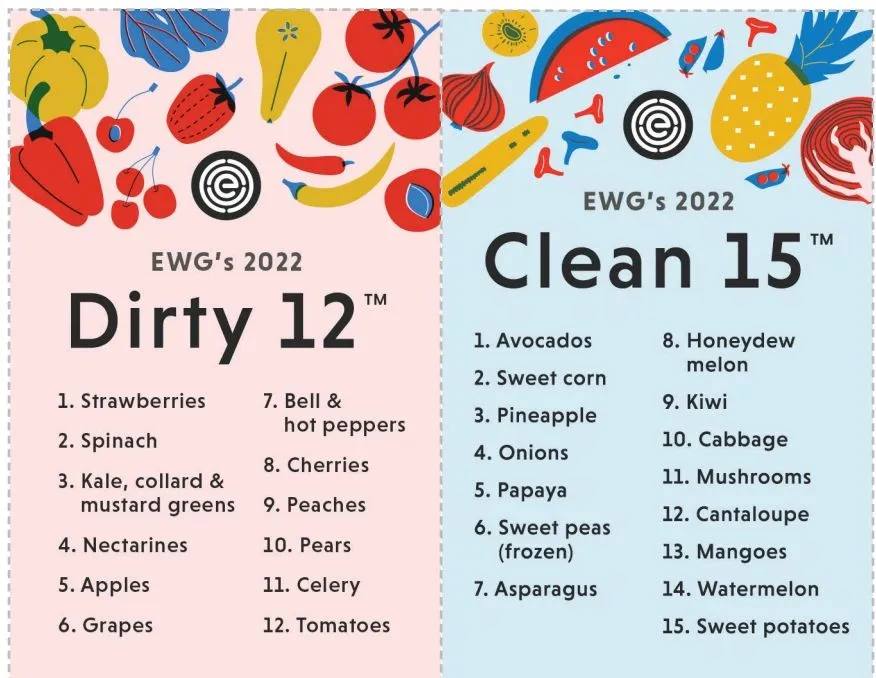
Foods rich in antioxidants, especially vitamin C, vitamin E, and polyphenols, can help defend the brain against free radical damage. Berries, particularly blueberries, are considered "superfoods" for the brain due to their high antioxidant content. Studies have shown that regularly consuming blueberries may delay brain aging and improve memory.
Other antioxidant-rich foods include:
- Dark chocolate (with at least 70% cocoa)
- Turmeric, which contains curcumin, a powerful anti-inflammatory compound
- Green tea, loaded with both antioxidants and compounds that improve brain function
- Leafy greens, such as spinach and kale, which are high in vitamins A, C, and K
4. Vitamins and Minerals: The Brain's Nutritional Support System
Several vitamins and minerals play essential roles in supporting cognitive function, memory, and overall brain health:
- Vitamin B12: Essential for brain function and the production of red blood cells, vitamin B12 deficiency has been linked to cognitive impairment and memory loss. Foods like eggs, dairy, fish, and fortified cereals are good sources of B12.
- Folate (Vitamin B9): Folate helps with brain function and the production of neurotransmitters. Green vegetables, legumes, and avocados are excellent sources.
- Magnesium: Magnesium is essential for cognitive function and has been shown to help reduce anxiety. Good sources of magnesium include pumpkin seeds, almonds, spinach, and black beans.
- Zinc: This mineral supports brain function and is involved in neurotransmitter function. Nuts, seeds, shellfish, and meat are rich in zinc.
5. Complex Carbohydrates: The Brain's Fuel
Your brain's preferred source of energy is glucose, which comes from carbohydrates. But not all carbs are created equal. Simple carbs—like those in processed foods, sugary snacks, and refined grains—can cause blood sugar spikes and crashes, which can leave you feeling sluggish and mentally foggy.
Instead, opt for complex carbohydrates that provide a slow, steady release of glucose to the brain. Whole grains like oats, quinoa, brown rice, and whole wheat products are excellent choices. These foods provide sustained energy to keep your brain alert and focused throughout the day.
6. Hydration: The Brain's Silent Partner
Your brain is made up of about 75% water, and even mild dehydration can negatively affect your mood, focus, and cognitive function. Inadequate hydration can lead to headaches, mental fatigue, and difficulty concentrating. It's crucial to ensure you're drinking enough water throughout the day.
Alongside water, hydrating foods such as cucumbers, celery, watermelon, and oranges can help keep you refreshed and your brain functioning optimally.
7. Gut-Brain Connection: How Your Digestive Health Affects Your Brain
You may have heard of the gut-brain axis, the complex communication system between your gut and brain. The foods you eat not only influence your digestive health but also impact your mental health. The gut microbiome—the collection of microorganisms living in your digestive tract—plays a critical role in regulating mood, cognition, and overall brain health.
Foods that support a healthy gut, such as probiotics and prebiotics, can also benefit your brain. Probiotic-rich foods like yogurt, kefir, kimchi, and sauerkraut help to balance the gut microbiome, while prebiotics, found in foods like bananas, garlic, onions, and asparagus, feed the beneficial bacteria in your gut.
8. Foods to Avoid for Optimal Brain Health
While there are many foods that can boost brain health, there are also those that can harm it. Highly processed foods, sugary snacks, and trans fats can contribute to cognitive decline and mood disorders. Diets high in sugar, for instance, have been linked to impaired memory and a greater risk of developing dementia.
It’s best to avoid or minimize foods like:
- Sugary drinks and snacks (soda, candy, pastries)
- Processed meats (bacon, sausages, deli meats)
- Fast food and foods high in trans fats
- Refined grains (white bread, pasta)
9. The Importance of a Balanced Diet for Brain Health
The key to feeding your brain effectively is maintaining a balanced diet that incorporates a wide variety of nutrient-dense foods. Eating a combination of healthy fats, antioxidants, vitamins, and minerals provides your brain with the fuel it needs to perform optimally.
As much as individual foods can benefit brain health, the overall pattern of your diet matters more. The Mediterranean diet, for example, has been praised for its brain-boosting effects. This diet emphasizes whole foods like vegetables, fruits, whole grains, legumes, nuts, seeds, olive oil, and lean proteins like fish and poultry. Studies show that people who follow this diet have a lower risk of developing cognitive decline and Alzheimer’s disease.
Conclusion: Feed Your Brain, Feed Your Life
What you eat has a profound impact on your brain’s health and performance. By consciously choosing foods rich in healthy fats, antioxidants, vitamins, and minerals, you can boost your brainpower, enhance your mood, and even protect against cognitive decline.
Take a moment to reflect on how you’re feeding your brain. Are you giving it the nutrients it needs to thrive, or are you loading up on processed foods and empty calories? Your brain works hard every day, and it deserves the best fuel possible. Start making changes today by incorporating brain-boosting foods into your meals, and you’ll be on your way to better mental clarity, focus, and long-term brain health.
Make Your Business Online By The Best No—Code & No—Plugin Solution In The Market.
30 Day Money-Back Guarantee
Say goodbye to your low online sales rate!