
Eat Clean with EWG: The Dirty Dozen and Clean Fifteen Fruits and Veggies
Eating clean and healthy is essential for maintaining good health, and for many of us, that starts with fruits and vegetables. But not all fruits and veggies are equal when it comes to pesticide exposure. The Environmental Working Group (EWG) annually publishes two lists—the Dirty Dozen and Clean Fifteen—to help consumers make informed choices about which produce to buy organic and which can be safely consumed conventionally grown.
Understanding the Dirty Dozen and Clean Fifteen
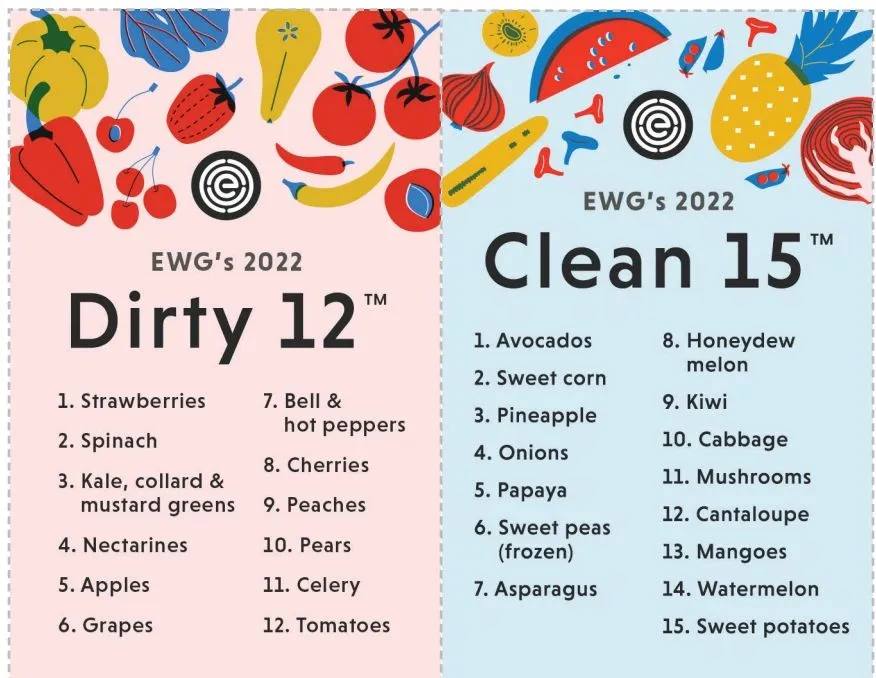
The Dirty Dozen list includes the fruits and vegetables that are found to have the highest levels of pesticide residues. These foods, according to EWG, are most likely to be contaminated, even after they are washed or peeled. The Clean Fifteen, on the other hand, features produce that is found to have the lowest pesticide levels, making them safer to buy non-organic.
These lists are updated every year based on data from the U.S. Department of Agriculture (USDA) and the Food and Drug Administration (FDA), where thousands of samples are tested for pesticide residues. If you're looking to eat clean and reduce your exposure to potentially harmful chemicals, knowing which foods to prioritize for organic purchase is a smart place to start.
The Dirty Dozen
The Dirty Dozen list highlights produce that often carries the heaviest pesticide load. For 2023, the following foods made the list:
- Strawberries
- Spinach
- Kale, Collard, and Mustard Greens
- Peaches
- Pears
- Nectarines
- Apples
- Grapes
- Bell and Hot Peppers
- Cherries
- Blueberries
- Green Beans
These items frequently test positive for multiple pesticides, and their thin skins or leafy exteriors often make them more susceptible to contamination. If you regularly consume any of these fruits or vegetables, it’s a good idea to buy organic when possible to minimize your exposure to harmful chemicals.
The Clean Fifteen
On the other side of the spectrum is the Clean Fifteen, which includes produce that generally has the lowest pesticide residue. These fruits and veggies tend to have thicker skins or peels, which protect them from pesticide exposure. The 2023 Clean Fifteen list includes:
- Avocados
- Sweet Corn
- Pineapple
- Onions
- Papaya
- Sweet Peas (Frozen)
- Asparagus
- Honeydew Melon
- Kiwi
- Cabbage
- Mushrooms
- Mangoes
- Sweet Potatoes
- Watermelon
- Carrots
Since these items are typically lower in pesticide residues, they are generally safer to buy in their conventional, non-organic form. This can be particularly helpful for budget-conscious shoppers who want to prioritize where they spend their money on organic produce.
Why Pesticides Matter
Pesticides are chemicals used in agriculture to protect crops from insects, weeds, and diseases. While they play a role in increasing food production, long-term exposure to pesticide residues can be harmful to human health. Some pesticides have been linked to health issues such as hormone disruption, cancer, and developmental problems in children. This is why reducing pesticide exposure through informed food choices is critical.
How to Use the EWG Lists in Your Diet
The Dirty Dozen and Clean Fifteen lists are valuable tools for those striving to eat clean. They allow you to prioritize which fruits and vegetables to buy organic, especially if you're on a tight budget. While organic foods can be more expensive, focusing on buying organic for the Dirty Dozen items and opting for conventional produce from the Clean Fifteen can help balance health goals and financial limitations.
In addition to using these lists, thoroughly washing all produce can help reduce pesticide residues. Even fruits and vegetables with thick skins, like avocados or pineapples, should be rinsed before cutting into them to prevent contamination from the outside.
Conclusion: Eat Clean, Stay Informed
The EWG's Dirty Dozen and Clean Fifteen lists are an excellent resource for anyone looking to eat cleaner and reduce exposure to harmful chemicals. By incorporating more organic options from the Dirty Dozen and feeling confident in choosing conventional options from the Clean Fifteen, you can make smarter, healthier decisions when shopping for fruits and vegetables. Eating clean doesn’t have to be complicated—just informed.
Make Your Business Online By The Best No—Code & No—Plugin Solution In The Market.
30 Day Money-Back Guarantee
Say goodbye to your low online sales rate!